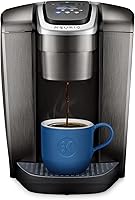
How to Use a Keurig Coffee Maker
To use a Keurig, fill the water reservoir, insert a K-Cup pod, place a mug under the spout, and select a brew size. Complete your model's first-use rinse before brewing coffee.
On this page (11 sections)
- How to use a Keurig step by step
- How do you fill a Keurig with water?
- How do you add a K-Cup or reusable filter?
- Which brew size makes the best cup?
- How do you brew coffee with a Keurig K-Mini?
- How do you use a Keurig K-Compact?
- Can you make iced coffee or dispense hot water?
- Which mistakes cause weak coffee or interrupted brews?
- How do you care for a Keurig after brewing?
- Which Keurig should you choose for your routine?
- What matters most when learning how to use a Keurig?
To use a Keurig coffee maker, add fresh water, insert a K-Cup pod, place a mug under the spout, and choose a brew size. For a new machine, complete the first-use rinse in its manual before adding coffee.
The main difference between models is how you fill the water tank and select the serving size. Start with a smaller cup if you like stronger coffee, then adjust your next brew to taste.
How to use a Keurig step by step
Fill, load, select, and brew once your machine's first-use setup is complete. Leave the handle closed until dispensing stops.
- Set the brewer on a dry, level counter with room above it to lift the handle.
- Fill the water reservoir within its marked limits, then seat any removable tank securely.
- Turn on the brewer if needed and follow its prompts.
- Lift the handle, place 1 compatible K-Cup pod in the holder, and close it fully.
- Center a mug beneath the spout before selecting a size or starting the brew.
- Choose an available serving size and press the brew button if your model requires it.
- Wait until the cycle finishes before removing the mug.
Keep the foil lid on a disposable K-Cup pod. The brewer pierces it when you close the handle, so keep your fingers away from the needles inside.
How to use a Keurig for the first time
Run the required water-only rinse before your first coffee. Remove packaging, prepare washable parts as directed, and follow the manual's startup sequence without a pod.
If your machine uses a water filter, prepare and install it according to its instructions. A filter doesn't replace cleaning or descaling.
How do you fill a Keurig with water?
Use fresh drinking water in the reservoir only, staying within the fill marks. Never add milk, brewed coffee, sweetener, or grounds to the tank.
A removable multi-cup reservoir lets you make several drinks between refills. Put it back squarely after filling so the machine can draw water correctly.
A one-cup reservoir needs water for each brew. Measure the amount you want to drink within the machine's allowed range, and remember to leave space in your mug for additions.
Don't keep topping up old water indefinitely. Empty and refresh it after the brewer has sat unused, following the manual for storage and restarting.
How do you add a K-Cup or reusable filter?
Place 1 compatible pod in the holder and close the handle without forcing it. If it won't close, remove and reposition the pod before trying again.
Use a fresh disposable pod for each cup. Running another full brew through a used pod usually produces thin coffee because much of the coffee's flavor has already been extracted.
For ground coffee, use a compatible reusable filter instead of putting loose grounds in the holder. All 4 models below accept the My K-Cup Universal Reusable Coffee Filter, sold separately.
Follow the filter's fill line and fitting instructions, and don't pack the grounds tightly. Overfilling can interfere with closing the holder and water flowing through the coffee.
The K-Elite suits households where people want different serving sizes, stronger coffee, or iced drinks. Its dedicated hot-water button also helps if you make oatmeal or instant soup.
Skip it if you only want a basic morning cup and have little counter space. To compare more models and features, see our best Keurig coffee makers guide.
Which brew size makes the best cup?
Choose a smaller serving for more concentrated coffee and a larger one for a lighter drink. Increasing the brew size adds water without adding more coffee grounds.
Start around 8 oz if your model offers it. If that tastes weak, try a smaller size before changing pods; if it tastes too strong, add a little hot water afterward.
A Strong Brew setting is another option on the K-Elite and K-Express. It changes how the machine brews, while the serving-size control determines how much coffee goes into your mug.
The K-Express suits daily drinkers who want simple controls and fewer refill trips. Its removable 42 oz reservoir and back-to-back brewing make it a practical choice for 2 people making separate cups.
Skip it if you want a serving smaller than its lowest setting. Check both mug height and capacity before brewing, since a tall travel mug can still overflow if it already contains milk or ice.
How do you brew coffee with a Keurig K-Mini?
Add water for 1 serving, insert a pod, close the handle, and press the brew button with your mug in place. The K-Mini uses a one-cup reservoir rather than storing water for several drinks.
Its serving range is 6–12 oz, with the amount of water you add setting the cup size. Don't fill it beyond the marked maximum to try to fill an oversized mug.
Choose it for occasional coffee or a narrow space where you don't mind measuring water each time. Skip it for a shared morning routine if repeated filling would become a chore.
With the drip tray removed, it accepts a travel mug up to 7 in tall. Our K-Express vs K-Mini comparison explains the tradeoff between a stored water supply and filling for each cup.
How do you use a Keurig K-Compact?
Fill its reservoir, insert a pod, place your mug, and select 6, 8, or 10 oz. Smart Start heats and then brews in one process, so you can select the size before heating finishes.
The smallest setting gives you the most concentrated cup from the same pod. Choose that first if your usual coffee tastes too diluted.
The K-Compact suits someone who wants smaller servings and a multi-cup tank with simple buttons. Skip it if you regularly want a single 12 oz brew.
Its footprint is just over 8 in wide, so measure your counter rather than relying on the model name. For other brewing styles, see our complete coffee maker guide.
Can you make iced coffee or dispense hot water?
Use a heat-safe cup and room for ice when brewing hot coffee over ice. The K-Elite has an Iced setting for this purpose; it brews hot coffee rather than chilling it.
Some ice will melt, so a smaller, more concentrated brew helps limit dilution. Don't use a larger serving just to fill the glass, and add more ice after brewing if needed.
For hot water, the K-Elite has a dedicated button. On the K-Compact, open and close the handle without a pod, then select a cup size.
Check the manual for other models' water-only controls. Coffee residue can carry into plain water, so keep the pod area clean when switching between coffee, tea, and other drinks.
Which mistakes cause weak coffee or interrupted brews?
Oversized servings, reused pods, and poorly seated tanks are useful first checks. Fix the simple cause before repeatedly starting another cycle.
- Weak coffee: use a fresh pod and a smaller serving, or try Strong Brew where available.
- Overflowing mug: account for milk, ice, and the selected brew volume before pressing a button.
- Water warning after filling: check the level and reseat the removable reservoir.
- Handle won't close: check pod placement rather than pushing harder.
- Partial cup or no flow: follow the model's troubleshooting steps before starting more cycles.
Unplug the machine and let it cool before removing parts or inspecting the pod holder. Follow the manual's needle-cleaning instructions, since those parts are sharp.
For persistent interruptions, see why a Keurig may not be brewing. Routine Keurig cleaning and descaling address different types of buildup.
How do you care for a Keurig after brewing?
Remove the used pod once it has cooled, empty the drip tray as needed, and wipe up splashes. Rinse a reusable filter after use so wet grounds don't sit inside it.
Clean removable parts using the methods allowed in your manual. Unplug the brewer before cleaning, and never immerse the machine.
Cleaning removes coffee residue and surface dirt; descaling removes mineral deposits inside the water path. Follow the brewer's care schedule and reminders, including the K-Elite's descale alert.
Read how to clean a Keurig coffee maker for routine care. Use how to descale a Keurig when mineral buildup needs attention, including the rinse steps afterward.
Which Keurig should you choose for your routine?
Choose by serving size, refill habits, and counter space. Extra controls are useful only if they match the drinks you actually make.
- K-Elite: choose it for varied serving sizes, iced coffee, and dedicated hot water.
- K-Express: choose it for a daily routine with larger cups and a shared water tank.
- K-Mini: choose it for a narrow spot and occasional cups with fresh water added each time.
- K-Compact: choose it for smaller servings and a multi-cup reservoir with simple controls.
If you routinely brew for several people at once, compare Keurig vs drip coffee makers before choosing individual pods. For a closer model comparison, use our best Keurig coffee makers guide.
What matters most when learning how to use a Keurig?
Match the brew size to your taste and mug, then build a simple care routine. Start smaller for stronger coffee, use a fresh pod for each cup, and keep enough fresh water in the reservoir.
If your brewer still stops or produces a partial cup after checking water and pod placement, follow the guide for a Keurig that is not brewing. Use its model-specific steps before trying another cycle.
Frequently asked questions
Do you put water in a Keurig every time?
You add water before every brew on a Keurig K-Mini because it has a one-cup reservoir. Models with multi-cup tanks need refilling only when the water runs low.
Check the level before starting, use fresh water, and stay within the fill marks for your brewer.
Do you need to run water through a Keurig before first use?
Complete the water-only rinse described in your Keurig's setup instructions before making your first drink. Leave the pod holder empty and put a large enough mug under the spout.
The button sequence and number of rinse cycles depend on your model, so follow its manual.
Which Keurig cup size should you choose?
Start with a smaller available brew size if you prefer stronger coffee, then adjust the next cup to taste. A larger setting sends more water through the same pod and usually tastes lighter.
Choose a mug with enough room for the coffee plus any milk or cream.
Can you use a reusable filter in a Keurig?
All 4 models covered here work with the My K-Cup Universal Reusable Coffee Filter, sold separately. Follow its fit and fill instructions for your brewer, since installation can differ by model.
Put grounds inside the reusable filter, never directly in the machine's pod holder or water reservoir.