Keurig vs Drip Coffee Maker: Which Should You Buy? (October 2026)
The Keurig vs drip coffee maker choice comes down to servings: choose Keurig for separate cups with little prep, or drip for a shared pot of ground coffee. Match the machine to when people drink coffee and how much they pour.
On this page (9 sections)
- Keurig vs drip coffee maker: what changes in daily use?
- Which of these 3 coffee makers fits your household?
- How much coffee should you plan to brew?
- Do pods or ground coffee give you better flavor control?
- How should you set up each brewer for an easier morning?
- Which coffee maker needs less daily cleanup?
- What should you count beyond the machine itself?
- Which common mistakes make either style disappointing?
- Which machine should you buy for your usual morning?
Choose a Keurig for separate cups with little prep, or a drip coffee maker for several servings of ground coffee brewed together. The Keurig vs drip coffee maker decision depends most on how many people want coffee at the same time.
A solo drinker who changes coffees often has different needs from a household that pours from one pot before work. Start with that routine, then compare flavor control, cleanup and counter space.
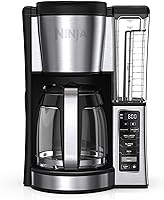
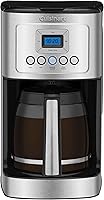
For a wider look at machine types, see our home coffee maker guide. Here, the Keurig K-Elite represents pod brewing, while the Ninja Fresh Brew CE251 and Cuisinart DCC-3200 show 2 approaches to a shared carafe.


Keurig vs drip coffee maker: what changes in daily use?
The main difference is individual brewing versus batch brewing. Keurig portions each serving separately, while a conventional drip machine lets you measure grounds for a pot.
With a pod, you choose the coffee before each brew. That suits a home where one person drinks regular coffee, another wants decaf and neither wants leftover coffee from an earlier pot.
With drip, everyone pours from the same batch. You measure once, start one cycle and serve several people without returning to the controls for every mug.
Both approaches need water, fresh coffee and regular cleaning. Pods remove the daily measuring step, but they don't remove brewer care.
When should you choose Keurig over a drip coffee maker?
Choose Keurig if you usually want one fresh serving at a time and value changing coffees without emptying a shared pot. It also suits households with staggered wake-up times.
Skip this approach if several people expect coffee together. Brewing separate servings creates a queue, and filling a large mug may take more planning than pouring from a carafe.
When does drip make more sense?
Choose drip if you usually share the same coffee or drink enough within one sitting to use a batch. It gives you more room to adjust the amount of ground coffee to your preferred strength.
Skip a large carafe model if you'll routinely make far more than you drink. A small batch setting helps with lower volumes, but measuring grounds and washing the carafe remain part of the routine.
Which of these 3 coffee makers fits your household?
Choose the K-Elite for individual coffee choices, the Ninja for everyday shared pots, or the Cuisinart for larger batches and holding-temperature control. Each solves a different serving problem.
Keurig K-Elite: separate cups on separate schedules
The K-Elite offers 4, 6, 8, 10 and 12 oz servings from a 75 oz removable reservoir. Those choices suit a household where people prefer different amounts without measuring water for every cup.
Its Strong Brew setting gives you another strength option, and the Iced setting brews hot coffee over ice. Hot water on demand is useful for instant oatmeal or soup without making coffee first.
The removable drip tray accommodates travel mugs up to 7.2 inches tall. Measure your mug with its lid removed as you would use it for brewing, rather than assuming every travel cup will fit.
Choose this model if those single-cup controls match your day. Skip it if you mainly want one batch ready for the whole table.
Ninja Fresh Brew CE251: a shared daily pot
The Ninja pairs a 12-cup glass carafe with a 60 oz removable water reservoir. It includes a permanent filter and scoop, so the grounds-based workflow has its main accessories covered.
Classic and Rich brew styles let you choose between 2 profiles, while the small batch function handles 1–4 cups. Its delay brew can be set up to 24 hours ahead for a regular morning start.
Mid-brew pause lets you pour before the cycle finishes, and the adjustable warming plate can hold coffee for up to 4 hours. Holding time is a convenience feature; brew only what you'll drink soon when flavor matters most.
Choose the Ninja for a family breakfast or repeat pours from the same batch. Skip it if each person wants a different coffee every morning.
Cuisinart DCC-3200: larger batches with holding controls
The Cuisinart has a 14-cup glass carafe, with each cup measured at about 5 oz. A full pot is therefore about 70 oz, enough for roughly 5 full 12 oz mugs with some coffee left.
Regular and Bold brewing, a 1–4 cup setting and 24-hour programmability cover both smaller batches and planned mornings. The warming plate has Low, Medium and High settings, with adjustable auto-off from 0–4 hours.
Its water window helps you check the fill level, and Brew Pause allows an early pour. An optional ready tone suits people who want an alert when the pot is ready.
Choose it when you often serve guests or want more control over holding temperature. Skip it if a large carafe will mostly sit half-full until you discard the coffee.
How much coffee should you plan to brew?
Plan around ounces in your mugs, rather than the cup count printed on a carafe. A coffee maker's cup measure may be much smaller than your breakfast mug.
Fill your usual mug with water to your normal drinking level, then measure that water. Multiply by the number of people who want coffee during the same sitting.
Include second cups only if people usually drink them soon afterward. Counting every possible refill can leave you with a pot that sits warming for hours.
For a single-cup machine, check whether the serving you choose leaves room for milk. For a carafe brewer, check both the maximum capacity and the instructions for smaller batches before choosing your daily amount.
Don't treat a small batch setting as permission to use any tiny dose. Follow the brewer's measuring guidance so the water and grounds work together.
Do pods or ground coffee give you better flavor control?
Ground coffee gives you more control over dose and grind, while pods give you a fixed portion with less preparation. Neither format guarantees a better-tasting cup.
With drip, you can choose freshly ground beans, adjust how much coffee you use and change the grind if you have a grinder. Start with the brewer's recommended proportions, then change one variable at a time.
For pods, choose the roast or blend first, then a serving size that tastes balanced. Sending more water through the same coffee portion generally makes a lighter drink.
A strength button is useful, but it can't make stale coffee fresh. Keep ground coffee sealed, buy amounts you'll use while fresh and avoid leaving an open bag beside a warm brewer.
The K-Elite can also use grounds with the Universal My K-Cup Reusable Coffee Filter, sold separately. That adds coffee choice, but filling and washing the filter removes some of the convenience that makes pods appealing.
For iced coffee, leave room for ice and expect dilution as it melts. The K-Elite's Iced setting still brews hot coffee, so use a vessel suitable for that process.
How should you set up each brewer for an easier morning?
Set up either style with room to fill, load and clean it, rather than checking the countertop footprint alone. Cabinet clearance matters when you lift a lid or remove a reservoir.
Before the first brew, wash the removable parts and complete the initial rinse steps in the manual. Use fresh drinking water and follow the instructions for any included water filter.
For the K-Elite, fill the reservoir, place a suitable mug, insert a pod and select your serving. Check the cup is under the outlet before you start, especially after removing the drip tray for a taller mug.
For drip, seat the filter correctly, add measured grounds and water, then put the carafe fully in place. Check that the basket closes properly before starting the cycle.
Scheduled brewing needs a final evening check. Confirm the clock, desired start time and schedule setting, and make sure the water, grounds and empty carafe are ready.
Keep coffee supplies close enough to use without blocking access to the machine. Leave room to carry the carafe or reservoir to the sink without moving several other appliances.
Which coffee maker needs less daily cleanup?
Pods usually mean less loose coffee to handle after each serving, while drip means cleaning grounds and a carafe after each batch. Both styles need regular washing and descaling.
For a pod brewer, remove the used pod after brewing and empty the drip tray as needed. Clean removable parts on the schedule in the manual rather than waiting for visible residue or a smell.
For drip, discard the grounds and wash the carafe and filter parts after use. Rinsing alone can leave coffee oils behind, which can affect later batches.
Let hot glass cool before washing it, and avoid sudden temperature changes. Use only cleaning methods approved for the parts you have, including dishwasher use.
Descaling removes mineral buildup from the water path; it doesn't replace washing away coffee residue. Follow the manual's cleaner, dilution and rinse instructions, especially if your water leaves mineral deposits.
The K-Elite has a descale reminder, the Ninja has a clean setting and the Cuisinart has a decalcification indicator. Our guides to cleaning a Keurig and cleaning a drip coffee maker explain the care routines in more detail.
What should you count beyond the machine itself?
Compare your normal coffee supplies and waste, not just the brewer. The useful measure is what you spend and discard while making the coffee you actually drink.
For pods, count the servings you'll use in a typical week and include any reusable filter you plan to buy. For drip, count coffee, replacement filters if needed and the amount of brewed coffee you pour away.
Ground coffee can be economical for a shared pot, but overbrewing reduces that benefit. A pod can also be wasteful if you make a serving larger than you want and leave half in the mug.
Think about storage as well. Several pod varieties need their own space, while bags of coffee, a scoop and filters need a dry, accessible home.
Disposal depends on the pod materials and local collection rules. Check those rules rather than assuming every used pod can go straight into household recycling.
Which common mistakes make either style disappointing?
The biggest mistakes are mismatching coffee and water, overbrewing, and leaving cleaning too long. Fix those habits before replacing a machine because the coffee tastes weak or stale.
With pods, don't keep increasing the serving size to fill a large mug and expect the same strength. Choose a smaller serving or a different coffee if the result tastes thin.
With drip, don't add extra grounds without checking basket capacity. An overfilled basket can cause a mess, and a grind that is too fine can slow water flow.
Don't leave yesterday's grounds in the basket or a used pod in the brewer. Empty them as part of the same routine as putting your mug in the sink.
Avoid using the warming plate as all-day coffee storage. If your main concern is keeping a batch hot after brewing, our thermal versus glass carafe guide explains that separate buying choice.
Which machine should you buy for your usual morning?
For the Keurig vs drip coffee maker decision, choose the machine that handles your normal serving pattern with the fewest chores. An occasional dinner party shouldn't outweigh how you make coffee every day.
- Choose the K-Elite if you want separate coffees, drink on different schedules or usually make one serving.
- Choose the Ninja CE251 if several people share a daily pot and you want straightforward grounds-based brewing.
- Choose the Cuisinart DCC-3200 if you often serve a larger group and want adjustable warming plate temperature.
If you favor carafe brewing, compare our best drip coffee makers. If individual servings fit better, our best K-Cup coffee makers guide keeps the focus on pods.
For a household split between weekday single cups and weekend pots, use our coffee maker buying guide to decide whether a combo machine earns its counter space.
Frequently asked questions
Is a Keurig better than a drip coffee maker?
A Keurig is better for separate cups, especially when people drink at different times or choose different coffees. A drip coffee maker suits a household that shares one coffee and wants several mugs ready together.
Choose by your busiest normal morning, rather than an occasional need to serve guests.
Does a drip coffee maker make better coffee than a Keurig?
Neither format guarantees better flavor. Drip gives you control over the coffee dose and grind, while pods simplify portioning.
With either style, use fresh water, keep the brewer clean and match the amount of water to the coffee.
A larger serving can taste weaker when the coffee dose stays fixed.
Can you use ground coffee in a Keurig?
The Keurig K-Elite accepts ground coffee with the Universal My K-Cup Reusable Coffee Filter, sold separately. That lets you choose your own coffee, but adds filling and washing to each serving.
Follow the filter's fill instructions and don't pack the grounds down to force in more coffee.
Which is better for more than one coffee drinker?
Drip is usually better when several people want the same coffee at the same time. Keurig suits people who want different coffees or drink on separate schedules.
Count actual mugs before choosing: coffee maker cup measures can be much smaller than the mugs you fill at home.
Do Keurig or drip coffee makers let you schedule brewing?
Both drip models here offer scheduling up to 24 hours ahead. You still need to load the coffee and water, place the carafe and enable the schedule.
For this group, choose the Ninja or Cuisinart if having a pot brew at a set time is a deciding feature.