Thermal vs Glass Carafe Coffee Makers: Which Is Better? (October 2026)
For a coffee maker with a thermal carafe vs glass, choose thermal for serving away from the brewer and glass for a visible coffee level with plate warming. Match the choice to how quickly you finish a pot.
On this page (9 sections)
- Coffee maker thermal carafe vs glass: which fits your routine?
- Does thermal or glass keep coffee hot longer?
- Will thermal or glass make better-tasting coffee?
- Which of these coffee makers should you buy?
- What should you measure before choosing a brewer?
- How should you set up and use each carafe type?
- How do you clean glass and thermal carafes?
- Which mistakes matter most with thermal and glass carafes?
- Which carafe should you choose for your next coffee maker?
Choose a thermal carafe for serving away from the brewer, or glass with a warming plate for refills beside it. The coffee maker thermal carafe vs glass decision comes down to where you pour, how slowly you drink and how much coffee remains between cups.
Both types can suit a household that finishes a fresh pot promptly. The bigger difference appears when breakfast stretches out or people take their first cups at different times.
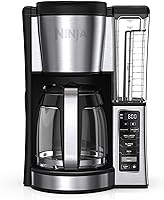
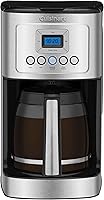
The Ninja Fresh Brew CE251 represents glass with plate warming here. The Black+Decker Thermal Programmable and Cuisinart PerfecTemp Thermal 12-Cup offer insulated serving, with different controls for everyday brewing.


Coffee maker thermal carafe vs glass: which fits your routine?
Choose thermal if the pot travels to the table; choose glass if most refills happen at the machine. Start with that serving habit before comparing strength buttons or timers.
A thermal carafe slows heat loss through insulation. It carries that insulation wherever you serve, though the coffee still cools over time.
A glass carafe on a warming plate receives added heat while it sits on the brewer. Once you take it away, the plate can no longer help keep that coffee warm.
Thermal vs glass coffee makers for shared mornings
Thermal suits staggered refills away from the kitchen, such as a shared breakfast table or a nearby work area. Keep the lid closed between pours to limit heat loss.
Glass suits a household where everyone returns to the brewer for another cup. Seeing the remaining coffee helps the next person decide whether there's enough to pour or whether to start another batch.
If everyone drinks at once, holding performance matters less. Focus instead on easy filling, cleaning access and whether the brewer makes the batch size you actually need.
If you're still deciding between a pot and individual cups, our coffee maker buying guide explains how drip, pod and combo machines fit different routines.
Does thermal or glass keep coffee hot longer?
A warming plate can keep adding heat; a thermal carafe can only conserve the heat already inside. Compare those methods rather than assuming one carafe material always gives a longer holding time.
Ninja says its adjustable warming plate keeps coffee fresh and flavorful for up to 4 hours. BLACK+DECKER says its vacuum-sealed thermal carafe keeps coffee hot for up to 2 hours and recommends preheating it first.
These are different brand claims, not a direct temperature comparison. Neither duration tells you exactly how a cup will feel after several pours in your kitchen.
Why a small amount cools faster
A nearly empty thermal carafe generally loses useful warmth sooner than a fuller one. There's less hot coffee to hold heat, and opening the lid repeatedly lets warmth escape.
That doesn't mean you should brew excess coffee just to fill the pot. Make the amount you'll drink and accept that a small batch may need to be served sooner.
With glass, avoid treating the longest warming setting as a freshness target. Continued heating keeps coffee warm, but it doesn't make an old batch taste newly brewed.
If your household needs coffee across a much longer day, plan separate fresh batches. A longer holding claim is less useful than a routine that gives each person coffee they enjoy.
Will thermal or glass make better-tasting coffee?
Fresh brewing and sensible holding habits matter more than the carafe material alone. Thermal avoids continued plate heat, while glass gives you control over added warming.
Coffee changes as it sits, even in an insulated pot. A thermal carafe slows cooling but doesn't stop flavor from changing with time.
On a warming plate, extended heat and evaporation can make the remaining coffee taste stronger or less pleasant. This becomes more noticeable when only a little coffee remains.
Start with fresh grounds, suitable water and a consistent coffee-to-water ratio. Change one thing at a time so you can tell whether a different dose, grind or strength setting helped.
A stronger brew setting isn't a repair for stale grounds or coffee held too long. Use it to adjust a fresh batch to your taste, then judge the result before changing your dose as well.
For the steps before coffee reaches the pot, read how a drip coffee maker works. Brewing and holding are separate jobs, and the carafe mainly affects the second.
Which of these coffee makers should you buy?
Buy the Ninja for visible kitchen refills, the BLACK+DECKER for table serving, or the Cuisinart for thermal brewing across different batch sizes. All 3 have 12-cup carafes and programmable brewing.
The useful distinction is the job each machine does in your routine. Choose the carafe style first, then use filling access and brew controls to narrow the choice.
Ninja Fresh Brew CE251: for refills beside the brewer
The Ninja fits households that want to see what's left and return the pot to a warming plate. Its removable 60-ounce reservoir is also useful if carrying water from the sink is easier than filling the brewer in place.
Classic or Rich brew styles let you choose between 2 brewing options. The 1–4 cup small-batch function suits days when fewer people want coffee.
Skip it if the pot will spend most of the morning away from the machine. You'd be choosing plate warming without using the plate during much of your serving time.
The included permanent filter and integrated scoop keep everyday brewing supplies together. For an early start, its 24-hour delay brew lets you prepare the machine ahead of time.
Browse our best drip coffee makers for more models in this brewing style. Our programmable coffee maker guide is useful if scheduled brewing drives your choice.
Black+Decker Thermal Programmable: for a pot at the table
The BLACK+DECKER fits a breakfast routine where the carafe leaves the brewer after brewing. Its four-layer vacuum seal holds heat without a warming plate, and heating stops automatically once brewing finishes.
The fresh brew timer shows elapsed time up to 120 minutes. Treat it as an age reminder rather than a measurement of the coffee's temperature.
Its Strong button slows brewing for a richer cup, according to BLACK+DECKER. The VORTEX showerhead is designed to spread water across the grounds.
Skip it if seeing the remaining amount is essential or you won't make time to preheat the carafe. Its 24-hour auto brew is convenient, but a timer doesn't perform that preparation step for you.
Cuisinart PerfecTemp Thermal 12-Cup: for changing batch sizes
The Cuisinart fits households that want thermal serving but alternate between smaller brews and shared pots. It combines a 1–4 cup setting with regular or bold strength.
An optional ready tone lets you choose an audible alert or a quieter finish. The backlit display, water window and decalcification indicator support everyday setup and care.
It includes gold-tone and charcoal water filters, plus 24-hour programmability. The charcoal filter serves a different purpose from removing mineral buildup inside the machine.
Skip it if you want a visible coffee level or continued plate warming. Its controls add brewing choices, but they don't change how an opaque insulated carafe works.
See our best coffee makers with thermal carafes if insulated serving is your priority and you want more options.
What should you measure before choosing a brewer?
Measure the counter space and the room needed to fill, open and remove parts. A machine that fits under a cabinet may still be awkward to use there.
The Ninja measures 10.5 inches deep, 9.9 inches wide and 14.6 inches tall. The BLACK+DECKER measures 9 inches deep, 9.4 inches wide and 13.2 inches tall.
The Cuisinart measures 7.75 inches deep, 9 inches wide and 14.25 inches tall. It has the smallest base dimensions here, while the BLACK+DECKER is the shortest.
Allow room to remove the carafe without hitting a cabinet or other appliance. Also consider where you'll set down a hot pot while filling or cleaning the machine.
Count mugs, not just advertised cups. BLACK+DECKER and Cuisinart define a cup as about 5 ounces, so a 12-cup pot doesn't mean 12 large mugs.
For example, 60 ounces fills 5 mugs that each hold 12 ounces before leaving room for milk. Measure your usual mug and daily water amount to avoid buying around a capacity label you won't use.
If you usually want only one mug, compare single-serve coffee makers before committing to a full-carafe routine.
How should you set up and use each carafe type?
Prepare the carafe for its warming method and follow the brewer's instructions before the first batch. Wash permitted removable parts and run any initial rinse cycle the manual requires.
For a thermal carafe, preheat with hot water when directed, then empty that water before brewing. Starting with a cold vessel uses some of the coffee's heat to warm the carafe itself.
Fit the lid in its brewing position and seat the pot correctly. After brewing, keep the lid closed between pours instead of removing it to check the remaining amount.
For glass, place the pot squarely on the warming plate. Keep the base and plate clean so dried spills don't build up between them.
Protect hot glass from sudden temperature changes. Let it cool before washing, and avoid placing a hot carafe on a cold or wet surface.
When using delayed brewing, fill only to the marked limit and check that the basket, filter and carafe are in place. Remove any preheating water before leaving the machine ready for a scheduled batch.
Ninja and Cuisinart both offer a pause feature for an early cup. Follow the manual's pause limit and return the carafe promptly rather than leaving the brew outlet blocked.
How do you clean glass and thermal carafes?
Wash coffee residue from the pot and lid, then descale the brewer as a separate task. A machine's clean cycle doesn't replace cleaning the surfaces that hold and pour brewed coffee.
Empty leftover coffee and rinse the carafe after use. Wash with the method and cleaner allowed by the manual, paying attention to the lid, spout and any removable seals.
Glass makes dark residue easy to spot. With an opaque thermal carafe, inspect the opening and lid closely instead of assuming a quick rinse removed the coffee oils.
Use a soft brush where permitted and avoid abrasive tools that can scratch surfaces. Don't immerse an insulated carafe or put any carafe in the dishwasher unless its care instructions allow it.
Let cleaned parts dry before closing and storing them. Trapped moisture and old coffee residue can leave odors that affect the next batch.
For mineral buildup inside the brewer, follow our guide to cleaning a drip coffee maker alongside your model's instructions. A water filter doesn't remove the need for descaling.
Which mistakes matter most with thermal and glass carafes?
Avoid brewing too much, leaving coffee too long and confusing a timer with a temperature reading. Those habits can waste more coffee than choosing the less suitable carafe material.
- Brewing a full pot for one person: Make a realistic batch instead of keeping excess coffee warm for hours.
- Leaving a thermal lid open: Close it between pours to conserve heat.
- Using maximum plate heat by default: Choose a setting that suits your drinking pace rather than assuming more heat means better flavor.
- Topping up old coffee with a fresh batch: Empty the pot first so you can judge and enjoy the new brew.
- Expecting insulation to reheat coffee: A thermal carafe retains heat; it doesn't add it.
- Swapping carafes between machines: Use a replacement approved for the exact brewer, since height, lid fit and outlet clearance matter.
Which carafe should you choose for your next coffee maker?
For a coffee maker with a thermal carafe vs glass, match the pot to where your second cup happens. Choose the Ninja if you return to the kitchen for visible refills and want adjustable plate warming.
Choose the BLACK+DECKER if breakfast coffee moves to the table and you can include preheating in your routine. Pick the Cuisinart if you want insulated serving with controls for both small batches and fuller pots.
If your current coffee tastes tired before you finish it, start by brewing less. Changing carafes won't make an oversized morning batch stay fresh all day.
For help deciding whether a carafe brewer fits your household at all, use our complete home coffee maker guide.
Frequently asked questions
Is a thermal or glass carafe better for coffee?
A thermal carafe is better for serving away from the brewer, while glass suits refills near a warming plate. If you finish a pot quickly, either works well.
For slower drinking, decide whether you prefer insulated storage or continued heating, then check the model's holding guidance.
Does a thermal carafe keep coffee hot longer?
A thermal carafe doesn't always keep coffee hot longer than glass on an active warming plate. Insulation slows heat loss, while a plate keeps adding heat.
Compare the specific models and your serving routine; a holding-time claim doesn't tell you how hot every later cup will feel.
Does a glass carafe make coffee taste burnt?
Glass itself doesn't make coffee taste burnt. Extended warming can change flavor as coffee stays hot and loses water, especially when little remains in the pot.
Brew an amount you'll finish, use a suitable plate setting and make a fresh batch when the remaining coffee no longer tastes good.
Are thermal carafe coffee makers harder to clean?
Thermal carafes can take more attention because an opaque body hides residue and the lid may have parts that need separate washing. Glass makes buildup easier to see.
For either type, follow the manual, clean the pouring path and don't assume the carafe or lid is dishwasher-safe.