Coffee Maker Brands Compared: Keurig, Ninja and More
Among the best coffee maker brands, choose Keurig for individual pod drinks, Ninja for flexible drip batches, Cuisinart for a larger pot with warming controls, or BLACK+DECKER for a straightforward scheduled pot.
On this page (10 sections)
- Which are the best coffee maker brands for different routines?
- What makes Keurig different from drip coffee maker brands?
- How do Ninja coffee makers compare with Cuisinart?
- Is BLACK+DECKER a good choice for a simple programmable pot?
- Which features should you compare across coffee maker brands?
- How should you set up a new coffee maker?
- What care keeps these coffee makers working well?
- Which coffee maker mistakes should you avoid?
- How we compared these coffee maker brands
- Which of the best coffee maker brands should you choose?
The best coffee maker brands depend on your brewing routine: Keurig suits individual pod drinks, Ninja suits flexible drip batches, Cuisinart suits larger shared pots, and BLACK+DECKER suits straightforward scheduled brewing.
Choose the format first, then the controls you'll use each morning. For a wider view of the options, start with our complete home coffee maker guide.
Which are the best coffee maker brands for different routines?
Keurig fits separate servings; Ninja, Cuisinart and BLACK+DECKER fit shared pots. The models below differ most in how you fill them, how much you brew and how you serve the coffee afterward.
| Brand and example | Best fit | Main reason to skip |
|---|---|---|
| Keurig K-Elite | People who want separate pod drinks | Several people want a shared pot |
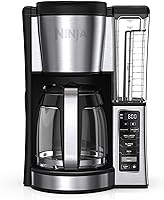
| Ninja Fresh Brew CE251 | Homes that alternate small and larger batches | You mainly want K-Cup convenience |
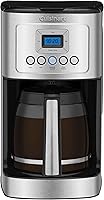
| Cuisinart DCC-3200 | Households serving a larger pot over breakfast | You rarely need a carafe |
| Black+Decker 12-Cup Vortex | People who want scheduled drip coffee | You want the strength and warming controls offered by the other drip picks |
These are model recommendations, not promises about every machine a brand makes. A brand can sell brewers with different capacities, filters and controls, so compare the exact model before choosing.
If your household is split between separate drinks and shared coffee, our Keurig vs drip coffee maker comparison explains the daily trade-offs.
What makes Keurig different from drip coffee maker brands?
The Keurig K-Elite is the choice here for one drink at a time without preparing a shared brew basket. It suits a solo coffee drinker or a household whose members prefer different pods and drink at different times.
Who should choose the K-Elite?
Choose it when individual choice matters more than serving everyone together. One person can make coffee while another chooses a different K-Cup drink, without committing the household to the same pot.
The selectable servings are 4, 6, 8, 10 and 12 oz. Start with a smaller serving if you prefer concentrated coffee, since sending more water through the same amount of coffee can make the drink taste weaker.
The 75 oz removable reservoir reduces trips to the sink between drinks. A hot water button also makes sense if your coffee corner doubles as a place to prepare instant oatmeal or soup.
Who should skip it?
Skip the K-Elite if several people usually want coffee at once. Separate brew cycles require repeated loading and cup changes, while a carafe lets everyone pour from one batch.
Ground coffee is an option with the Universal My K-Cup Reusable Coffee Filter, sold separately. That adds filling and rinsing to each serving, so choose it because you want ground coffee in a single-serve format, not because you expect carafe convenience.
How should you use its extra controls?
Use Strong Brew when you want a more intense cup, and adjust one variable at a time before changing pods. That makes it easier to tell whether serving size or brew mode gives you the result you prefer.
The Iced setting brews hot coffee over ice; it doesn't make cold brew. Use a cup suited to hot and cold drinks, leave room for the ice, and follow the brewer's instructions for the fill.
With the drip tray removed, the machine accommodates travel mugs up to 7.2 in tall. Check your mug's height rather than assuming every travel cup fits.
For the first brew and routine operation, see how to use a Keurig coffee maker. Follow our Keurig descaling guide when mineral removal is due.
How do Ninja coffee makers compare with Cuisinart?
Choose the Ninja Fresh Brew CE251 for easier reservoir filling and changing batch sizes. Choose the Cuisinart DCC-3200 when a larger shared pot and warming plate temperature control matter more.
When is the Ninja CE251 the better fit?
The Ninja suits homes where weekday brewing is small but weekend breakfast needs a full carafe. Its 1–4 cup function gives you a dedicated setting for smaller batches instead of treating every brew like a full pot.
Classic and Rich styles let you change brew strength without changing the machine. Start with a consistent amount of grounds and water, then compare the modes before increasing the coffee dose.
The 60 oz removable reservoir is useful if pouring water into a brewer under cabinets feels awkward. Carrying the reservoir to the sink also keeps you from using a coffee-stained carafe as your regular filling jug.
Ninja includes a permanent filter and an integrated scoop. Empty and rinse the filter after use, and measure consistently rather than alternating between level and heaped scoops.
Skip this model if you mainly want sealed pods or usually make separate drinks for several people. It remains a ground-coffee carafe brewer, even when you choose its smaller-batch setting.
When is the Cuisinart DCC-3200 the better fit?
The Cuisinart suits a household that shares coffee across breakfast and wants control over holding temperature. Its glass carafe holds 14 cups of about 5 oz each, so think in poured ounces rather than full-size mugs.
Low, Medium and High warming plate settings let you adjust how the pot is held after brewing. These controls change the warming plate temperature, so don't confuse them with choosing a brewing temperature.
Regular and Bold settings offer strength control, and a 1–4 cup setting covers smaller batches. The optional ready tone is useful if you want a signal that brewing has finished.
Skip it if you usually grab one cup and leave, or if you want coffee held without a heated plate. A large carafe adds little value when most of each pot goes unused.
For a closer look at its controls, see our Cuisinart DCC-3200 review. Browse the best drip coffee makers and best programmable coffee makers if you want more choices in this format.
Is BLACK+DECKER a good choice for a simple programmable pot?
The Black+Decker 12-Cup Vortex fits people who want a scheduled pot with straightforward digital controls. Choose it when your main tasks are filling, adding grounds, setting a time and pouring.
Its large rubberized buttons and clock display give you direct access to programming. The front water window helps you check the fill level, while markings on the glass carafe help with measuring.
The carafe's cup measure is about 5 oz, so its 12-cup label doesn't mean 12 large mugs. Count the ounces your household drinks before deciding that its capacity is enough.
The brew basket requires a standard paper coffee filter for proper use. Keep the correct filters beside the brewer so a scheduled morning pot doesn't depend on finding supplies at bedtime.
Sneak-A-Cup temporarily stops the flow when you remove the carafe. Return it promptly within the limit in the manual, since a pause feature isn't a way to leave the carafe out during brewing.
The 24-hour auto-brew program suits a regular wake-up time, and auto shutoff occurs after 2 hours. Skip this model if strength choices or adjustable warming plate temperature are central to your decision.
Compare it with other programmable drip coffee makers if scheduling is the feature you care about most.
Which features should you compare across coffee maker brands?
Compare format, usable capacity and counter access before extra brew modes. Those choices determine how much work the machine creates every day.
Which coffee maker brands fit pods or ground coffee?
Keurig is the pod-focused choice in this comparison, while the other 3 models brew ground coffee into carafes. Choose pods for separate drinks and grounds for controlling your coffee choice and preparing shared batches.
Also consider what happens after brewing. A reusable filter needs emptying and washing, while a paper filter needs replacing and a used pod needs removing.
Our guide to coffee maker types can help you choose the format before comparing individual controls.
How much coffee do you make at once?
Match capacity to your usual drinking session, not the largest gathering you might host. A full pot makes sense when several people pour together; it makes less sense when one person returns to it throughout the day.
Measure your favorite mug once, then estimate the total ounces you need. Allow for the fact that some water stays in the grounds, so filled water volume and finished coffee volume aren't always identical.
For occasional small brews, use the dedicated small-batch setting where provided. It doesn't measure the grounds or water for you, so you still need to prepare the amount you intend to drink.
Do you need a timer or adjustable warming?
Choose scheduled brewing if your morning starts at a predictable time. The 3 carafe models here offer next-day programming, but you must prepare the water, coffee, filter and carafe in advance.
Ninja's adjustable warming plate operates for up to 4 hours, while Cuisinart offers selectable plate temperatures and auto-off from 0–4 hours. Choose the holding controls around when people actually pour their coffee.
If you sip over a long period, consider a thermal carafe instead of relying on a hot plate. Our thermal vs glass carafe comparison explains how the two serving styles differ.
Will the brewer fit where you plan to use it?
Measure width, depth and overhead access, not just the empty counter space. A brewer can fit beneath a cabinet yet still be awkward to fill or load.
| Model | Depth x width x height |
|---|---|
| Keurig K-Elite | 12.7 x 9.9 x 16.5 in |
| Ninja Fresh Brew CE251 | 10.5 x 9.9 x 14.6 in |
| Cuisinart DCC-3200 | 7.75 x 9 x 14 in |
| Black+Decker 12-Cup Vortex | 8.25 x 12.25 x 11 in |
These are the machine dimensions, so leave additional room to open lids, remove parts and handle a filled reservoir. Keep the brewer on a level surface where you can place and remove the carafe or mug easily.
How should you set up a new coffee maker?
Clean the removable parts and follow the manual's first-use rinse instructions before making coffee. Remove packing materials, check that the filter and basket are seated, and use the recommended water-only cycle where directed.
Use fresh drinking water and stay within the marked fill limits. If you use a water filter, prepare and install it as instructed; the K-Elite includes a filter handle and 1 filter.
For drip brewing, begin with the manual's coffee-to-water guidance. Keep the grind, dose and water amount consistent for the first few brews so you have a useful starting point.
If the coffee tastes too weak, avoid changing the dose, grind and strength mode together. Change one thing, make the same batch size again, and keep the adjustment that improves the cup.
Before relying on delay brew, check the clock, the programmed start time and any AM or PM indicator. Confirm that the filled carafe is back in place and the program is active.
Preparing grounds the night before favors convenience. If aroma matters more than waking to a ready pot, prepare the coffee closer to brewing time instead.
What care keeps these coffee makers working well?
Remove coffee residue regularly and descale according to the manual and your water conditions. Washing away oils and removing mineral buildup are separate jobs.
After use, discard spent grounds or pods and wash the appropriate removable parts as directed. Let them dry before closing everything up, and never immerse the brewer's electrical base.
The K-Elite has a descaling reminder, Ninja has a Clean setting, and Cuisinart has a decalcify indicator. These features help you manage maintenance, but you still need to follow the required cleaning steps.
Use the cleaning solution, dilution and rinse sequence specified for your machine. Don't assume a method used for one brand is suitable for another, or mix cleaning products.
Give reusable filters and brew baskets attention even when the carafe looks clean. Coffee residue can remain in corners and affect the next batch.
For the full routine, see how to clean a drip coffee maker. Keep the brewer's manual available for model-specific parts and cleaning limits.
Which coffee maker mistakes should you avoid?
Avoid confusing serving capacity with mug count, leaving a carafe out during a paused brew, or adding extra grounds without checking basket limits. These mistakes can cause weak coffee, spills or more coffee than you need.
A stronger setting and a larger serving aren't the same thing. Increasing water without increasing coffee can dilute the drink, so choose volume around your mug and strength around your taste.
Don't keep a full pot heating simply because the plate allows it. Brew what you'll drink soon, then make another batch when needed rather than holding leftover coffee for hours.
Treat glass carafes gently and avoid sudden temperature changes. Let a hot carafe cool before washing it, and follow the manual's care directions.
For scheduled brewing, leave a short bedtime check: water added, coffee measured, filter fitted, carafe seated and timer enabled. A timer only starts the process; it doesn't correct a missed preparation step.
How we compared these coffee maker brands
We compared brewing formats and practical controls against 4 needs: separate drinks, varied batch sizes, larger shared pots and simple scheduled brewing. Filling access, filters and care requirements also shaped the recommendations.
The comparison stays with these specific models. Their features support a buying decision, but they don't establish a brand-wide winner for coffee flavor, service life or repair support.
Which of the best coffee maker brands should you choose?
Choose among the best coffee maker brands by the job your next brewer needs to do. Start with the drinking session you repeat most often, then check the controls that make it easier.
- Choose the Keurig K-Elite if each person wants a separate pod drink and you rarely serve a shared pot.
- Choose the Ninja Fresh Brew CE251 if your batches vary and carrying the reservoir to the sink would simplify filling.
- Choose the Cuisinart DCC-3200 if a larger shared pot and warming plate temperature choices match your breakfast routine.
- Choose the Black+Decker 12-Cup Vortex if you want scheduled ground-coffee brewing with straightforward controls and paper filters.
Before ordering, measure the space and confirm your usual mug volume. Those 2 checks help prevent buying a brewer that fits the brand preference but misses the daily need.
If individual servings are your clear choice, compare our best K-Cup coffee makers to narrow down the controls and size you need.
Frequently asked questions
Which coffee maker brand is best for one cup at a time?
Keurig is the clearest fit here for individual pod drinks. The K-Elite lets each person choose a serving size and pod without brewing a shared pot.
Choose a drip model instead if several people usually drink the same ground coffee together, since separate brew cycles add steps.
Are Ninja coffee makers better than Cuisinart?
Choose between these models by filling convenience and serving needs. The Ninja Fresh Brew CE251 suits frequent small batches and has a reservoir you can carry to the sink.
The Cuisinart DCC-3200 suits larger shared pots and lets you choose the warming plate temperature.
What should I compare when choosing a coffee maker brand?
Compare brewing format and the amount you drink before looking at extra controls. Then check filling access, filter supplies, scheduling and how you keep coffee warm.
Measure your counter space and the clearance needed to open the brewer, because a machine must fit your daily routine as well as your kitchen.
Can the Keurig K-Elite brew both pods and ground coffee?
The Keurig K-Elite accepts K-Cup pods and ground coffee with the Universal My K-Cup Reusable Coffee Filter, sold separately. Both methods make individual servings rather than a shared pot.
See our drip and K-Cup combo guide if your household needs both pods and carafe brewing.