Why Is My Cuisinart Coffee Maker Leaking?
A Cuisinart coffee maker leaking around the carafe may have a misplaced lid, damaged glass, or an overflowing brew basket. Stop brewing, disconnect power safely, and let it cool; leaks from the base or inside the housing need support.
On this page (9 sections)
- What should you do first when a Cuisinart coffee maker leaks?
- Where is the leak coming from?
- Could the carafe or brew basket be causing the leak?
- Can overfilling or a clogged brew path cause leaks?
- What if water is leaking from the base?
- When should you replace a carafe or the coffee maker?
- How should you fit and care for a replacement carafe?
- How can you prevent another leak?
- How do you choose the right fix for a Cuisinart coffee maker leaking?
A Cuisinart coffee maker leaking around the carafe may have damaged glass, a misplaced lid, or an overflowing brew basket. Water underneath can also come from a filling spill or an internal fault, so find the source before buying parts.
Stop brewing and disconnect power safely, then let the machine cool. A replacement carafe helps with a damaged pot, but it won't repair a reservoir or a leak inside the brewer.
What should you do first when a Cuisinart coffee maker leaks?
Stop brewing and disconnect the power safely before checking the source. If the plug or outlet is wet, or reaching it means touching water, switch off power at the breaker first.
Once the brewer is unplugged and cool, remove the carafe and removable filter basket. Dry the outside and counter, then inspect these parts for cracks, trapped grounds, and anything that doesn't sit flat.
Keep track of when the puddle appeared: during filling, during brewing, or while pouring. That detail helps separate a spill from basket overflow or a damaged pot.
If liquid comes from the base or inside the housing, leave the machine off and contact Cuisinart support. Don't run another cycle to reproduce a suspected internal leak.
Where is the leak coming from?
The location and timing give you the best starting point, though a puddle's final position may be misleading. Water can travel down the housing before collecting underneath.
| When and where you noticed liquid | What to check after cooling |
|---|---|
| On the counter just after filling | Spilled water, fill level, and trails down the housing |
| Around the basket during brewing | Filter position, grounds, and blocked drainage |
| Around the carafe or warming plate | Carafe seating, lid position, and damaged glass |
| Only while pouring | Spout, lid alignment, and pouring speed |
| From the base with no clear outside source | Leave off and seek support |
Coffee-colored liquid near the warming plate points toward the basket or carafe. Clear water after filling may be a spill, but color alone doesn't prove where a leak began.
For a better sense of the water path, see how a drip coffee maker works. It explains how the reservoir, brew basket, and carafe serve different roles.
What should you note about your Cuisinart coffee maker leak?
Record the model number and where the liquid first appeared before contacting support or choosing a replacement part. Use what you already observed rather than running the brewer again.
Photographs of water trails, damaged glass, or an unevenly seated basket can help explain the problem. Don't tip a wet machine to read its underside.
Could the carafe or brew basket be causing the leak?
A misplaced carafe, loose lid, or blocked basket can send coffee onto the warming plate. With the brewer unplugged and cool, remove grounds from the contact areas and reinstall each part according to the manual.
On brewers with a pause valve, the correct carafe and lid help open the basket's outlet. A pot that fits under the basket can still have the wrong lid shape or height.
Check the glass in good light, including the bottom and the area near the handle. Stop using a chipped or cracked carafe; glue isn't a suitable repair for a pot that holds hot coffee.
If coffee spills only during pouring, check that the lid is seated and pour slowly. Don't assume a pouring spill means the whole brewer needs replacement.
The Cuisinart Replacement Glass Carafe, 14-Cup suits households replacing damaged glass on one of those compatible brewers. It holds 70 fl oz, has 2–14 cup markings, and includes a comfort-grip handle and knuckle guard.
Choose it when your machine otherwise works and the pot is the confirmed source. Skip it for another model or an unexplained puddle beneath the housing.
The Sendextra 12-Cup Replacement Carafe suits buyers who need a compatible third-party pot with a wide mouth and detachable lid for cleaning. Its borosilicate glass body is 6.7 inches tall, but height and capacity don't establish fit.
Compatibility information is inconsistent, so confirm your full model number with Sendextra before ordering. It expressly excludes the DCC-1220; skip it if your model remains uncertain.
For residue around the basket and filter, follow how to clean a drip coffee maker.
Can overfilling or a clogged brew path cause leaks?
Too much water or slow basket drainage can cause overflow without a cracked part. Follow the reservoir's maximum line and the manual's limits for grounds and filters.
Coffee-maker cup marks aren't the same as full-size mugs. Measure water with the brewer's markings rather than filling the reservoir to match the number of mugs you want.
Use the correct filter size and seat it without folded edges blocking the flow. Don't stack paper filters or combine paper and permanent filters unless your manual allows it.
More grounds aren't always the answer to weak coffee. An overloaded basket or a grind that's too fine for the brewer can slow drainage and send coffee over the edge.
Discard grounds and wash removable parts as directed, but don't push tools into internal tubes. Follow the manual's descaling steps only after ruling out visible damage or a suspected internal leak.
If the clean light is on, see what to do when the Cuisinart clean light appears. Descaling addresses mineral buildup, not cracked parts.
What if water is leaking from the base?
Leave the brewer off and seek support when water comes from the base or the source remains unclear. A new carafe won't solve a fault inside the machine.
Check only for visible outside trails from a filling spill or basket overflow. Don't open the housing, add water to investigate, or use descaling as a repair attempt.
Have the model number and a description of the leak ready for support. Check any applicable warranty or service options before deciding that a whole-machine replacement is necessary.
When should you replace a carafe or the coffee maker?
Replace the pot for confirmed glass damage; consider a new brewer when service can't resolve an internal fault. A seating or cleaning problem may need no purchase at all.
Before ordering a carafe, match the complete model code, including suffixes. Cup count, brand, and a similar shape aren't enough because the lid and basket outlet must work together.
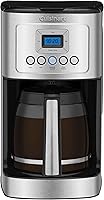
The Cuisinart DCC-3200 suits households that brew shared pots and want coffee scheduled ahead. It offers 24-hour programming, regular or bold strength, and Low, Medium, or High warming plate settings.
Its 14-cup capacity uses cups of about 5 fl oz, so plan around your actual mug size. The 1–4 cup setting also serves mornings when you need a smaller batch.
Skip it if you mainly want one quick serving or prefer a thermal carafe to a glass pot on a warming plate. For a replacement, leave space above the machine to fill it, beyond its 7.75 in depth, 9 in width, and 14 in height.
Our Cuisinart DCC-3200 review covers the machine in more detail. If your coffee routine has changed, the home coffee maker guide compares drip, pod, and combo options.
How should you fit and care for a replacement carafe?
Check the replacement's fit while everything is cool and unplugged, then follow the brewer's setup instructions. The pot should sit squarely with its lid attached and the basket fully seated.
Wash the new carafe before use and inspect it for shipping damage. Don't force it under the basket or swap lids between pots unless compatibility is confirmed.
The Cuisinart replacement can be hand washed or placed on the dishwasher's upper rack. Sendextra allows dishwasher cleaning but recommends hand washing.
Let hot glass cool before washing, and avoid abrasive scrubbers or sudden temperature changes. If the replacement sits unevenly or leaves an unexplained gap, resolve the fit before brewing.
How can you prevent another leak?
Use the correct fill level, keep the filter clear, and seat parts before starting. These habits reduce spills and overflow but can't repair damaged glass or an internal fault.
- Fill slowly so water stays inside the reservoir.
- Keep loose grounds off the basket rim and lid.
- Put the carafe in place before starting a scheduled brew.
- Avoid removing the pot for long periods during brewing.
- Empty used grounds and follow the manual's cleaning schedule.
If you use Brew Pause, follow the model's time limit and return the pot promptly. Coffee continues collecting above the closed outlet while the pot is away.
Use how to clean a drip coffee maker for routine care. When a cleaning reminder appears, follow the Cuisinart clean light guide.
How do you choose the right fix for a Cuisinart coffee maker leaking?
Choose the fix by the source of the leak, not the size of the puddle. Correct seating, fill level, or a blocked filter before spending money on replacement parts.
Choose the Cuisinart carafe for confirmed damage on its supported models. Choose Sendextra only after confirming the exact fit, and consider the DCC-3200 when your brewer needs replacement and you still want programmable pot brewing.
For a Cuisinart coffee maker leaking from the base or housing, leave it off and seek support. If replacement is the next step, use our drip coffee maker guide to compare brewers for your household.
Frequently asked questions
Why is my Cuisinart coffee maker leaking from the bottom?
Water underneath can come from a filling spill, basket overflow, or an internal fault. Disconnect power safely and let the machine cool before checking for visible water trails.
If water comes from the base or you can't identify the source, leave the brewer off and contact Cuisinart support.
Why does my Cuisinart leak around the carafe?
Coffee around the carafe can mean the lid or pot is out of position, the glass is damaged, or the basket is overflowing. Once the machine is unplugged and cool, inspect the glass, reseat the removable parts, and check the filter size and amount of grounds against the manual.
Can a clogged coffee maker cause a leak?
Yes, grounds blocking the basket or filter can slow drainage and cause overflow. Clean the removable parts after unplugging and cooling the brewer, then follow its manual for care.
Descaling may address mineral buildup, but don't run a cleaning cycle if you suspect a leak inside the housing.
Is it safe to use a coffee maker that leaks?
Stop using a leaking coffee maker until the cause is resolved. Unplug it only if you can reach the plug without touching water.
If the plug or outlet is wet, switch off power at the breaker first, and seek support for leaks from the base or inside the housing.